Animal agriculture is responsible for 20%-33% of all freshwater consumption globally and much of the water goes into the feed that is grown for the animals. At a time when many Canadians are dealing with more drought and wildfire conditions, we need to be diligent with how our water is used1.
Land
80%
Animal agriculture uses 80% of global agricultural land (grazing land, feed crops, farms) and yet it only supplies 17% of global calories and 38% of global protein. The expansion of grazing and feed-crop production drives the destruction of forests and grasslands which naturally sequester carbon2.
GHG Emissions
20%+
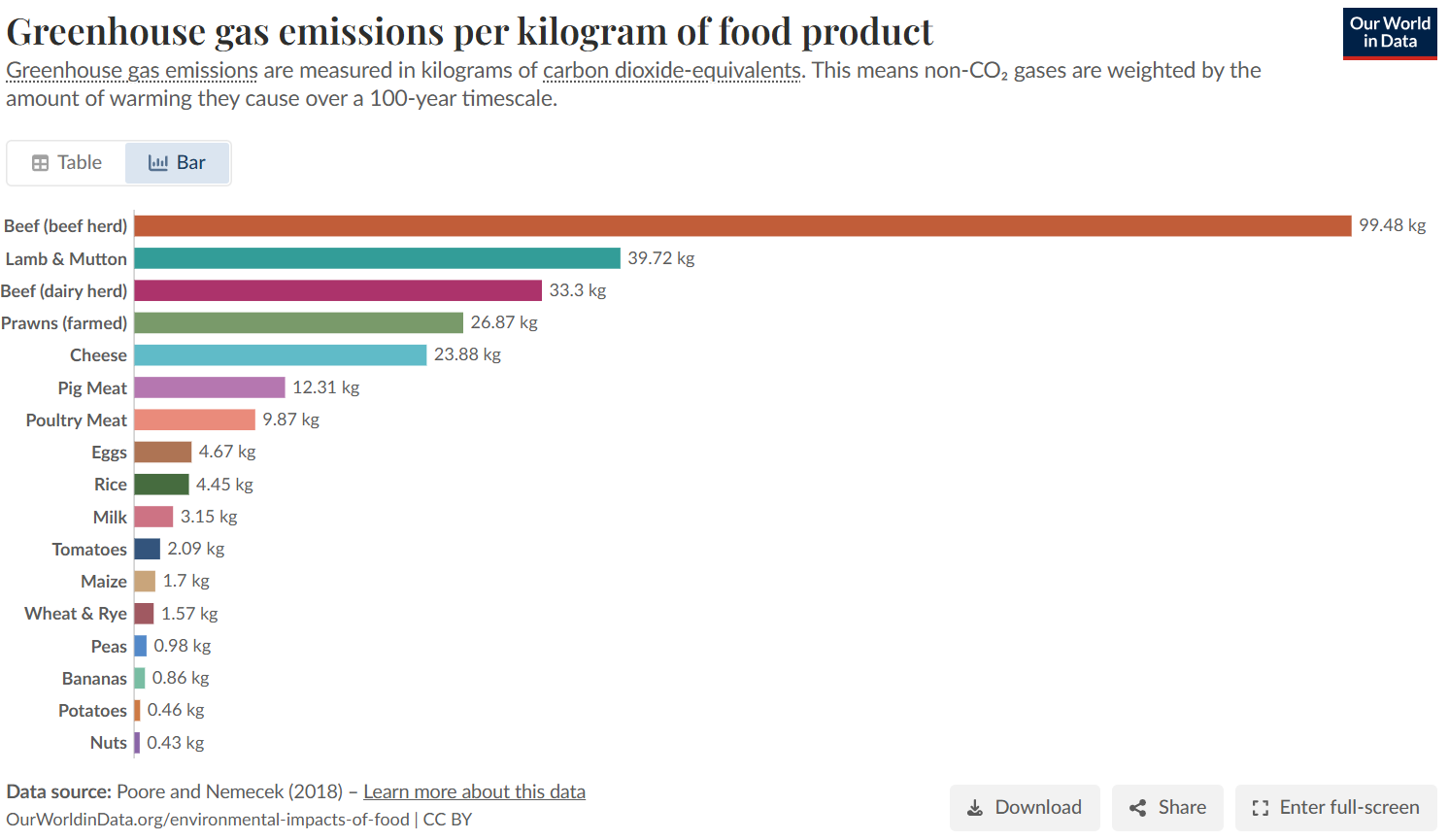
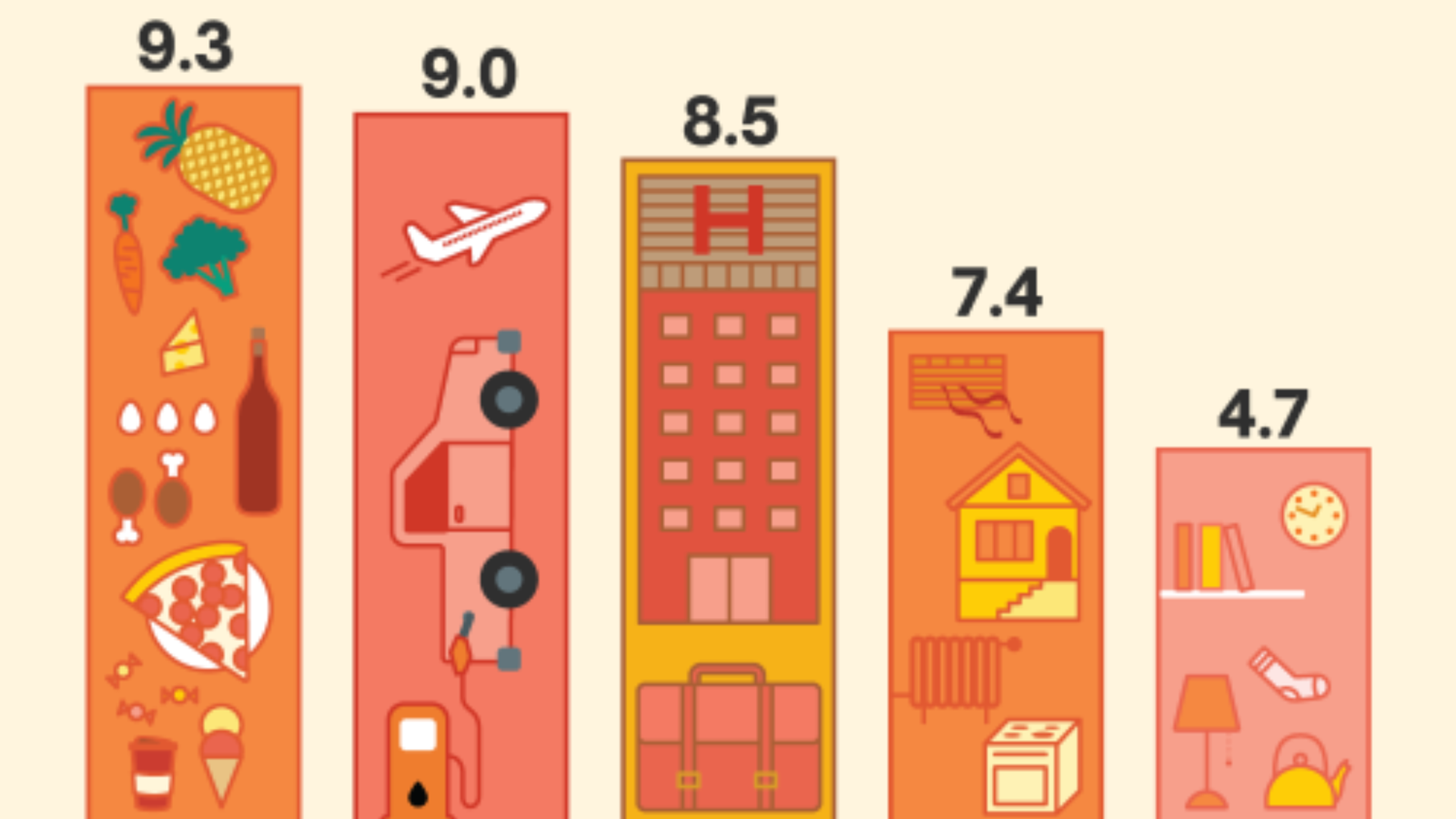
Globally, the livestock sector is responsible for at least 20% of greenhouse gas emissions measured in CO₂ equivalents. This is a higher percentage of global emissions than transportation is responsible for3.
Taking Action
Every community is different. Climate priorities, procurement practices, council dynamics and community needs vary. The first step is to understand where food choices fit within your community’s existing priorities.
A pilot at a municipal event, an adjustment to purchasing guidelines, or greater availability of climate-friendly choices can demonstrate what works locally before broader action is considered.
Working Together
You know your community, your council and the priorities that will determine whether an initiative can succeed. PBCM brings experience from working with local governments across Canada.
We can help identify a practical opportunity, share approaches used by other municipalities and develop an initiative suited to your community.
You know your community, your council and the priorities that will determine whether an initiative can succeed. PBCM brings experience from working with municipalities across Canada.
We can help identify a practical opportunity, share approaches used by other municipalities and develop an initiative suited to your community.