Thank you for coming to our webpage. We appreciate your interest in including food choices as part of your city’s climate action.
Climate Impacts
How food choices impact the climate
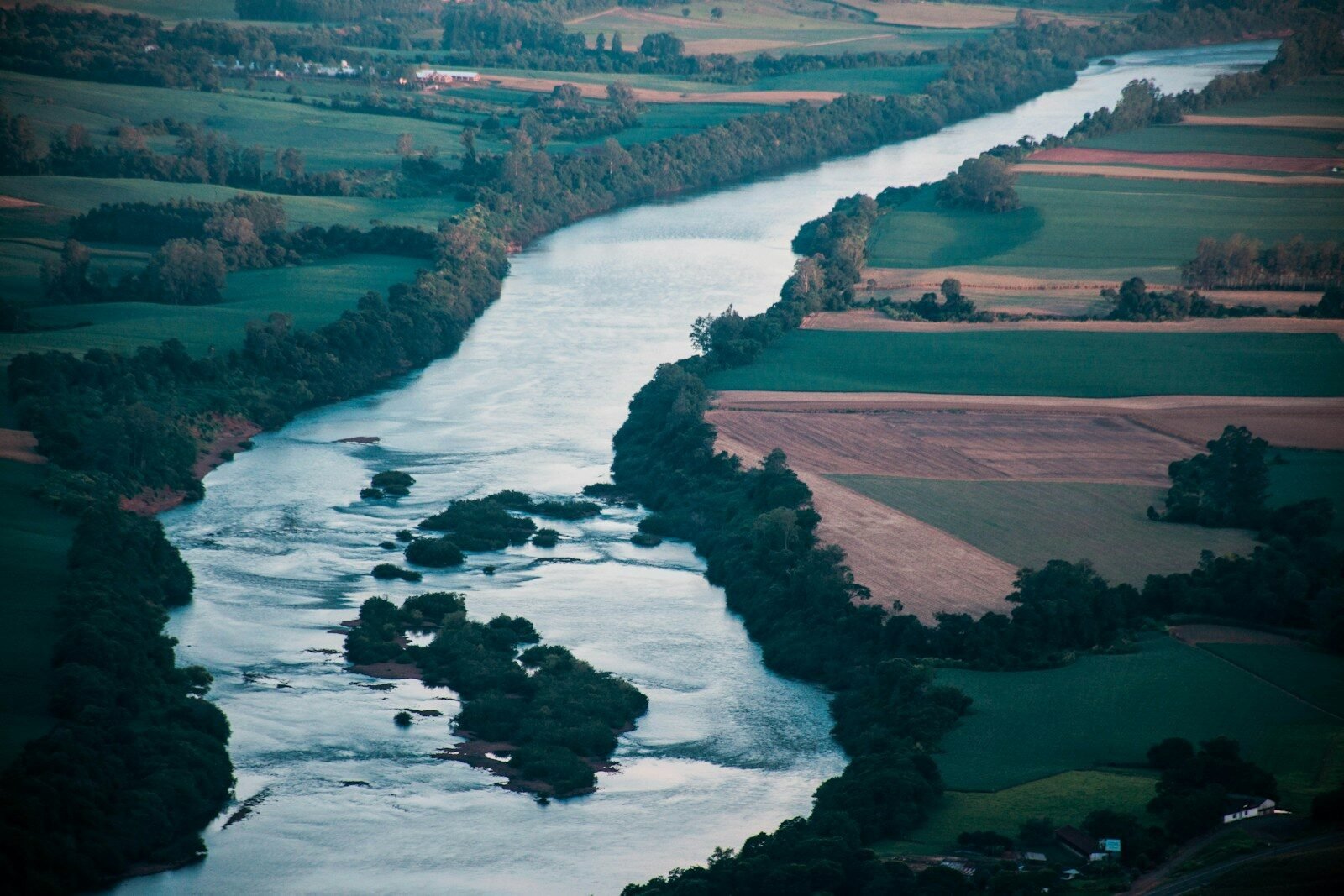
Animal agriculture is responsible for 20%-33% of all freshwater consumption globally and much of the water goes into the feed that is grown for the animals. At a time when many Canadians are dealing with more drought and forest fire situations, we need to be diligent with how our water is used.
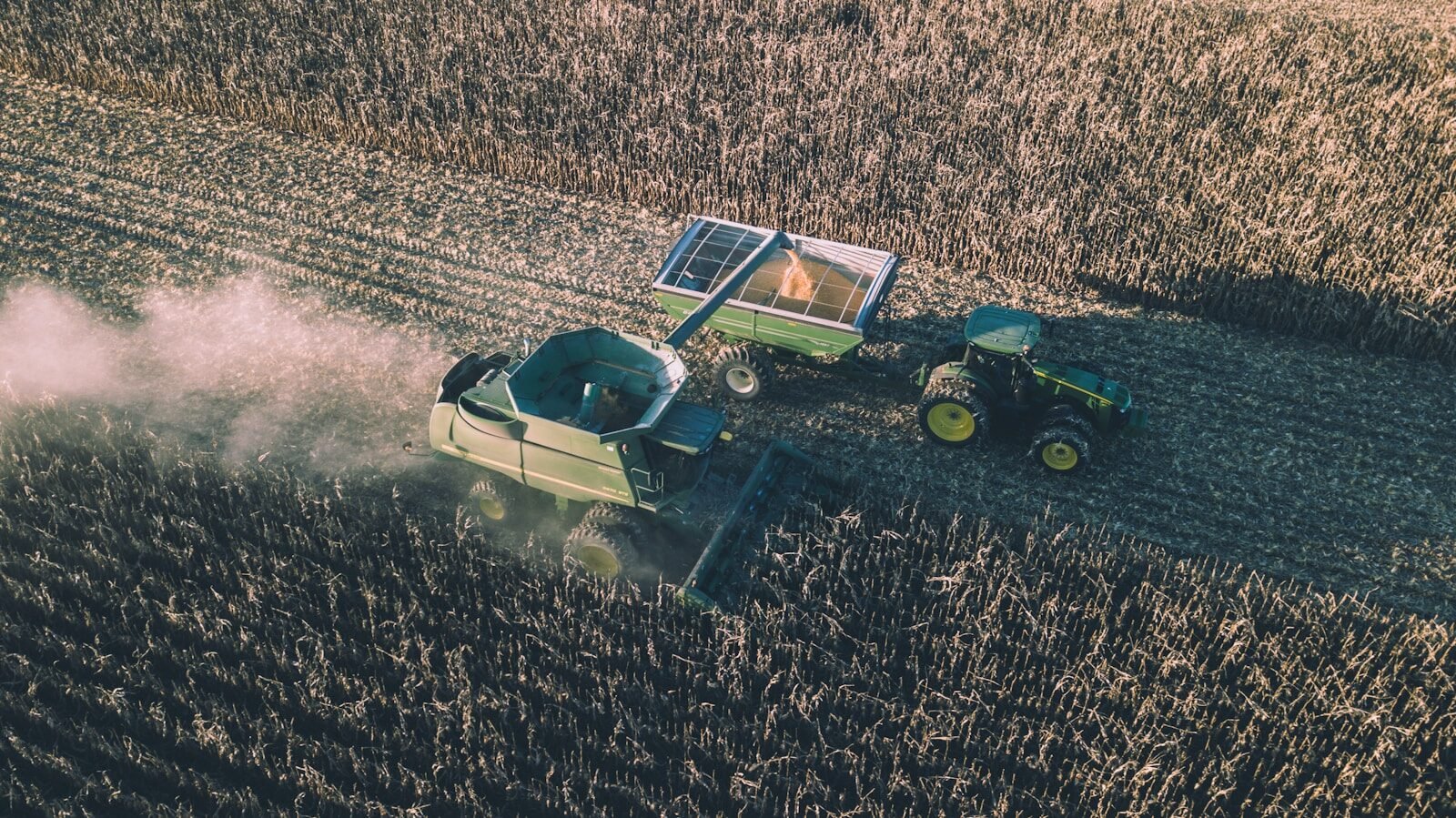
80% of global agricultural land is used to support animal agriculture (grazing land, feed crops, farms) and yet it only supplies 17% of global calories and 38% of global protein. Much of the land that is used in animal agriculture requires forests and grasslands to be destroyed to crop feed. Forests and grassland sequester carbon, and we are losing them so we can eat more meat.
Taking Action
How we can create a better tomorrow
Lorem ipsum dolor sit amet, consectetur adipiscing elit. Ut elit tellus, luctus nec ullamcorper mattis, pulvinar dapibus leo.
Lorem ipsum dolor sit amet, consectetur adipiscing elit. Ut elit tellus, luctus nec ullamcorper mattis, pulvinar dapibus leo.
Lorem ipsum dolor sit amet, consectetur adipiscing elit. Ut elit tellus, luctus nec ullamcorper mattis, pulvinar dapibus leo.
Working Together
How PBCM can help
Through research, education, and advocacy, the Plant-Based Cities Movement supports cities and institutions in adopting plant-based food procurement policies that lower food emissions.
We help municipal leaders turn evidence into policy — making food a visible part of climate action plans.
Useful Articles
Inspiration and Information
A Critical Look At the WRI’s Recent GHG Source Assessment
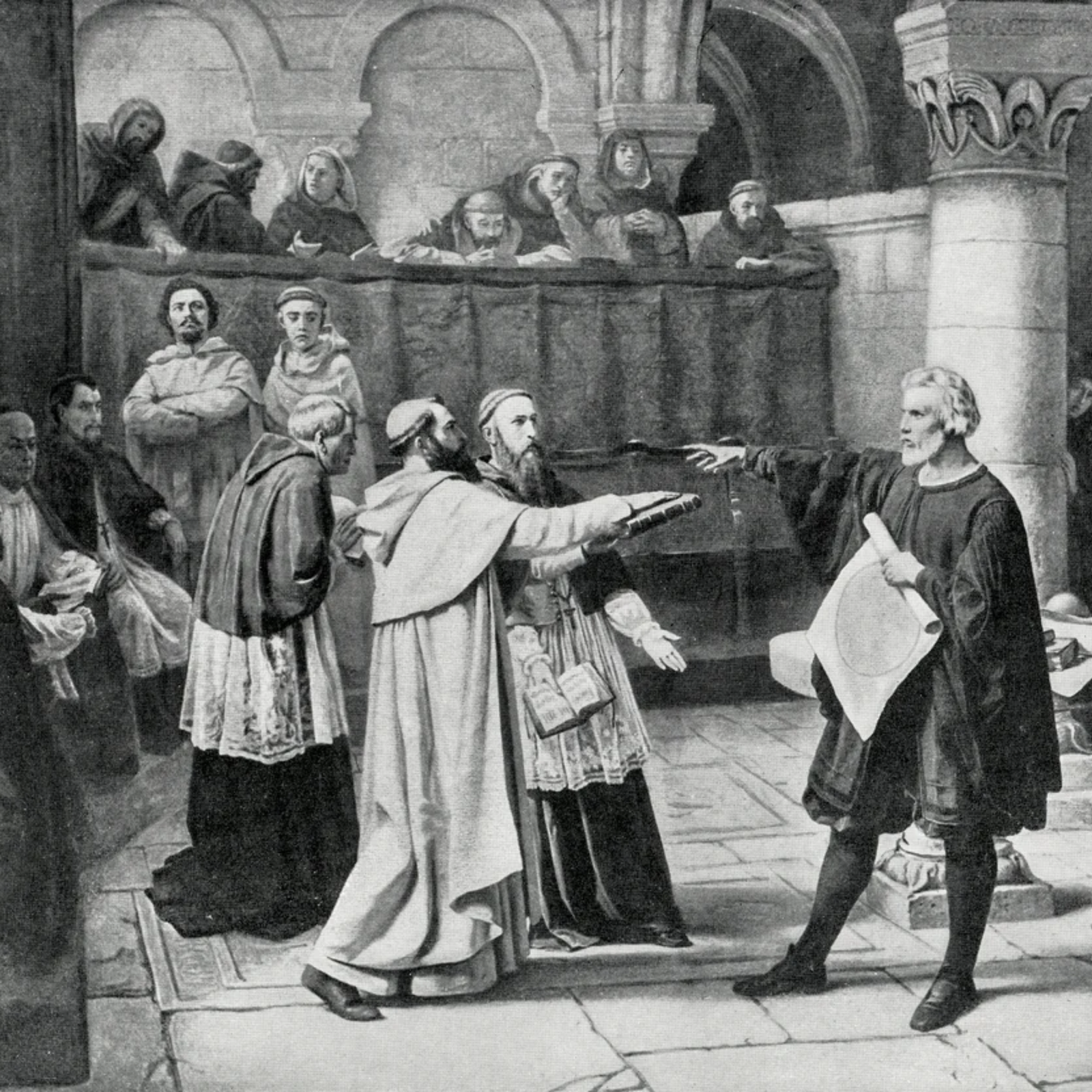
When Evidence Meets Inertia
What if we’re looking at climate change the wrong way?
From Tobacco to Food: Why Climate Progress Depends on Managing Transitions, not Mandates
United Nations Environment Program: The World is In Grave Danger – But We Can Save It … and Thrive!
Major reports: We face a dire ecological crisis. If we act quickly, we can turn the crisis around.
Brochures
1 / 6
Footnotes
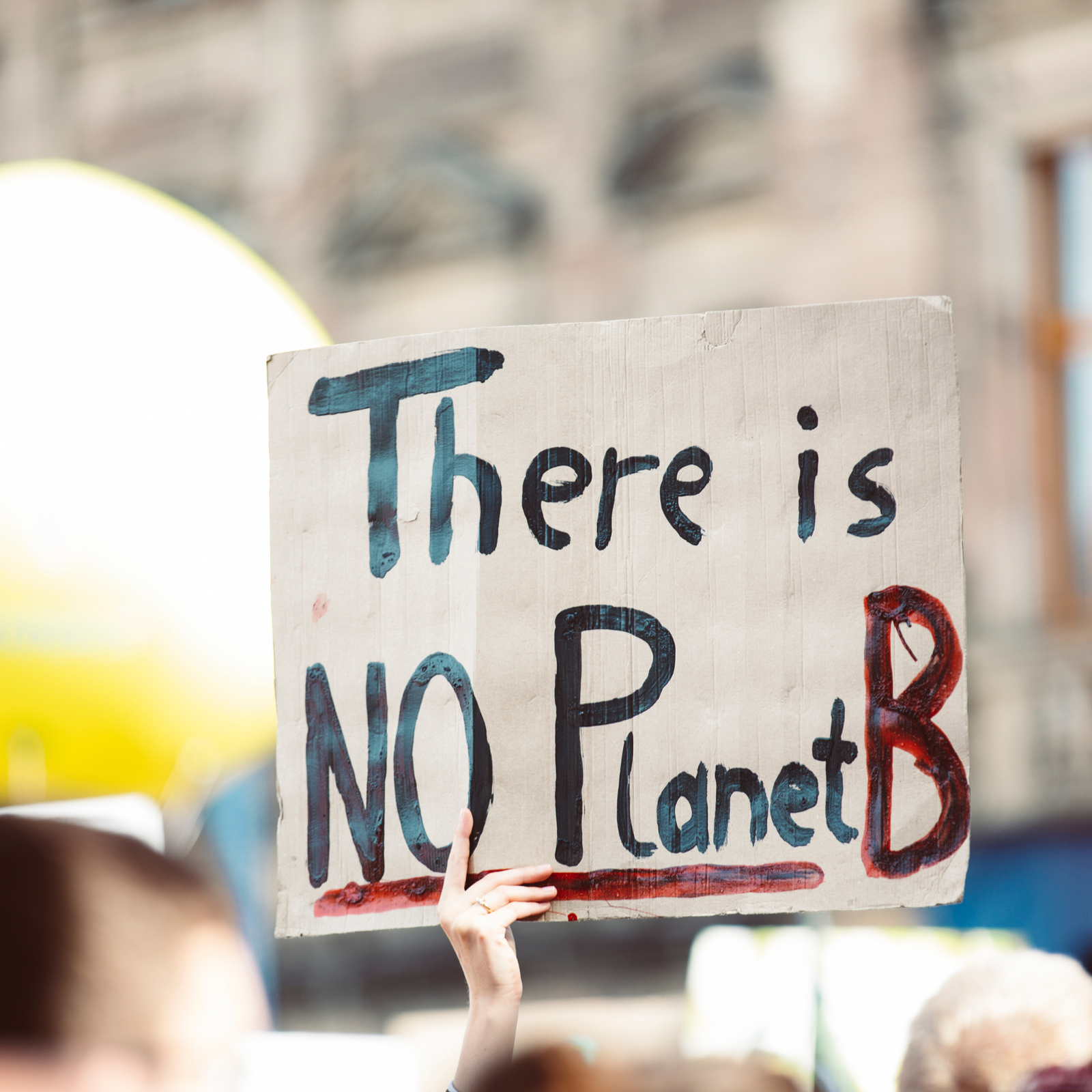
1.Original hero photograph from Pixabay (free license) by susan_oh. Cropped as a suggestion.
2.Impact statistics sourced from Plant-Based Cities Movement environmental impact research.
3.Brochures available via the Plant-Based Cities Movement resource library.